

Deep Mining Drives the Upgrade of Ground Support Systems, with Growing Demand for Corrosion-Resistant High-Strength Rock Bolts

Dayang Yang
AuthorWith over 15 years of experience in the production and sales of ground anchoring and mining support products, we operate our own rock bolt and accessory manufacturing facility with stable large-scale production capacity. We are specialists in rock bolts, resin cartridges, anchor cables, bearing plates, and customized ground anchoring products for mining support and geotechnical anchoring solutions.
Deep Mining Places Higher Requirements on Support Systems
In recent years, global mining development has continued to move toward deeper ore bodies. Compared with shallow mining, deep underground roadways are usually accompanied by greater ground pressure, more obvious surrounding rock deformation, and more complex faults, fractured zones, and water-bearing environments. These factors directly increase the risks of roof instability, sidewall spalling, and collapse.
Against this background, mining companies’ requirements for ground support systems are no longer limited to “fixing and bearing loads.” Instead, they are paying more attention to the overall performance of rock bolt systems, including immediate support capacity, long-term tensile strength, corrosion resistance, installation efficiency, and compatibility with plates, nuts, mesh, and other accessories.
Corrosion Resistance and High Strength Become Key Factors in Rock Bolt Selection
In underground mining environments, groundwater, humid air, mineral composition, and acidic or alkaline conditions can all accelerate the corrosion of steel support materials. Once a rock bolt corrodes, its load-bearing capacity and service life may be affected, increasing roadway maintenance costs and safety risks.
Therefore, corrosion-resistant surface treatment, high-strength steel, stable structural design, and customizable specifications are becoming key indicators in mine support product procurement. For long-service roadways, fractured surrounding rock areas, and high-humidity mines, rock bolt products with galvanized treatment or high-strength structures are attracting more attention.
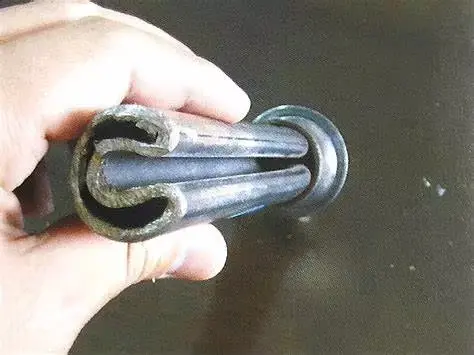
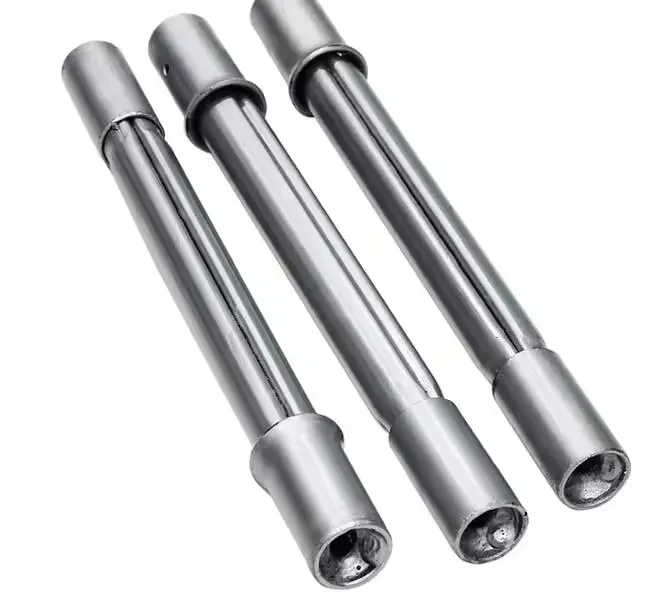
CQ Rockbolt’s Hydraulic Expansion Rock Bolt adopts a hydraulic expansion principle, allowing it to quickly form anchoring force after installation. It is suitable for fractured zones, soft rock layers, and collapse-prone areas. Optional galvanized surface treatment also helps improve durability in complex mining environments.
 |  |
|---|
Fast Installation Is Influencing Mine Construction Efficiency
Deep mine support requires not only safety and reliability, but also faster construction progress. Traditional grouting rock bolts often require waiting time for materials to cure, while some new rock bolt systems can achieve faster installation and earlier load-bearing, thereby shortening operation cycles and improving roadway excavation efficiency.
In high-stress, fractured rock layers, or working faces that require rapid recovery, immediate-load-bearing rock bolts have significant application value. They can help construction teams complete the support cycle in a shorter time and reduce the risk of workers being exposed to unstable surrounding rock for extended periods.
High-Strength Rock Bolts Adapt to More Engineering Scenarios
In addition to underground mines, tunnels, slopes, foundation pits, water conservancy projects, and bridge construction are also driving demand for high-strength anchoring materials. Different projects have different requirements for rock bolt diameter, length, strength grade, and accessory combinations. Therefore, products that support custom cutting, matching nuts and bearing plates, and batch delivery are more suitable for engineering procurement.
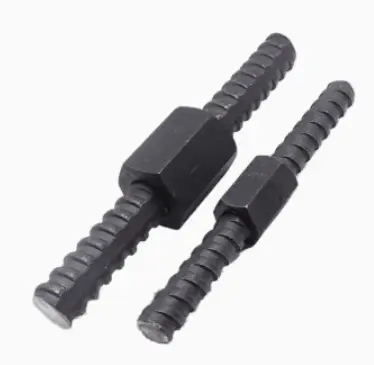
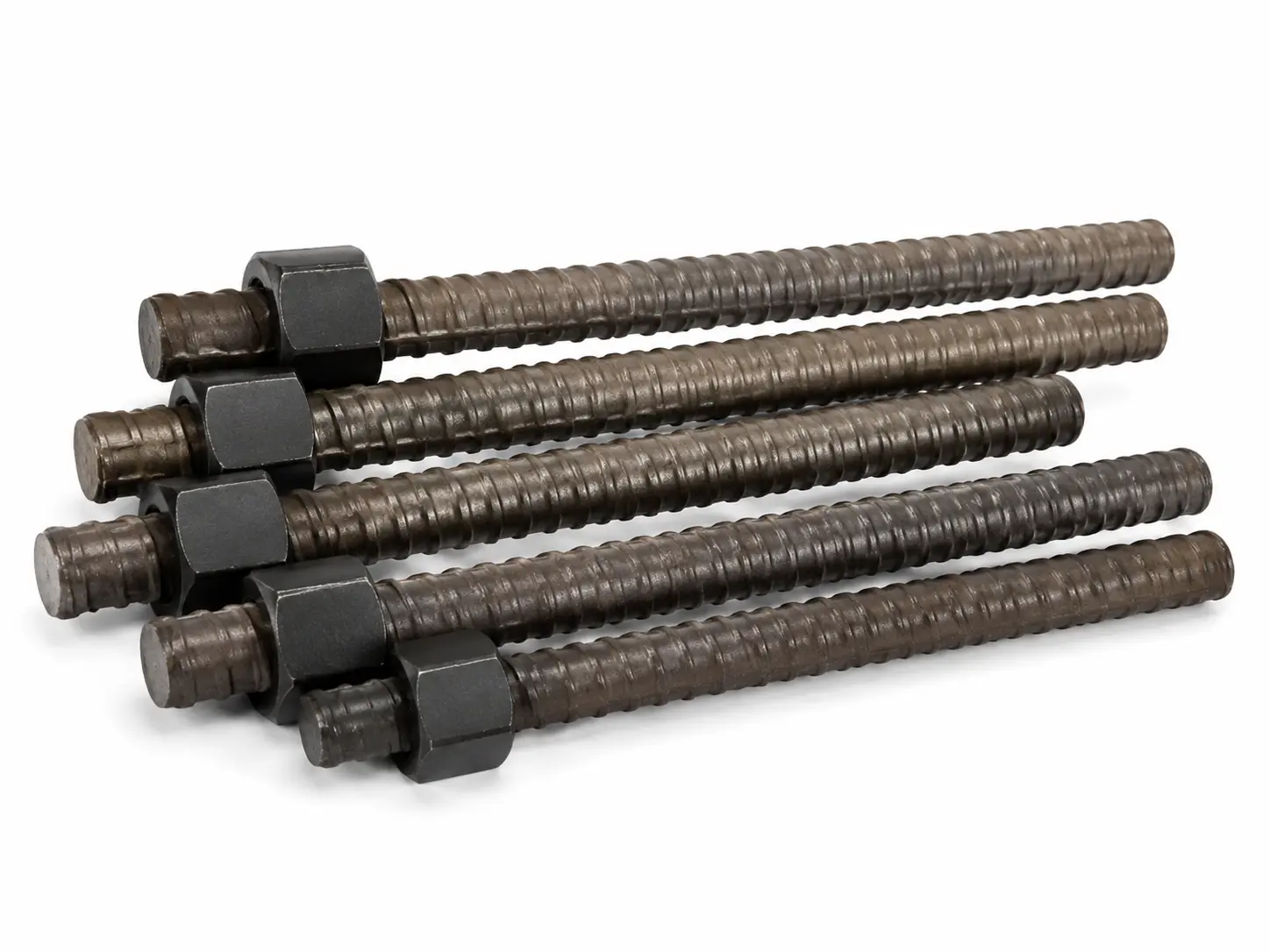
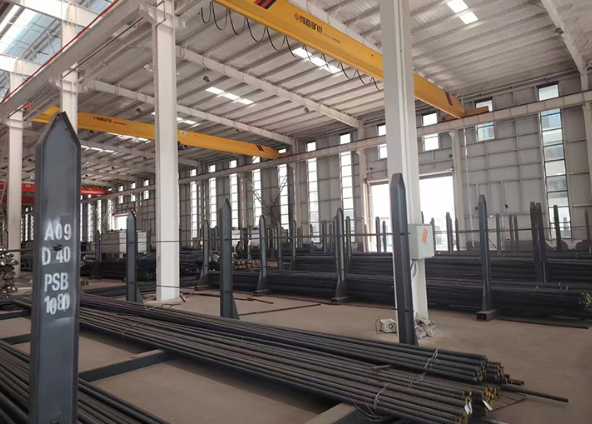
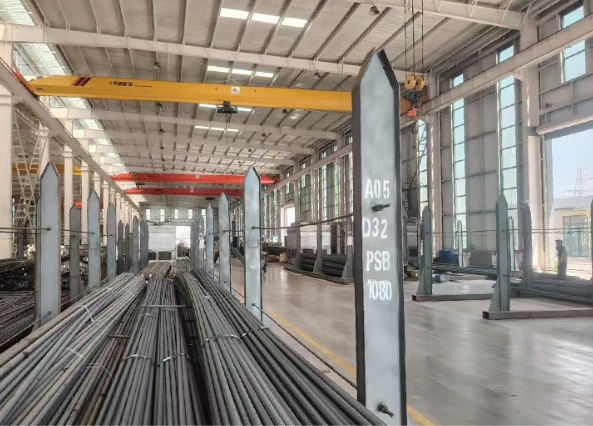
CQ Rockbolt’s Precision Rolled Threaded Steel Anchor Bar features a continuous threaded structure and can be used with nuts, anchor plates, and couplers. Common specifications range from 15 mm to 40 mm, with strength grades such as PSB830, PSB930, and PSB1080. It is suitable for mining anchoring, tunnel support, slope reinforcement, and structural connection applications.
 |  |
|---|
Precision Rolled Threaded Steel Anchor Bar
Industry Trend: From Single Products to Systematic Support Solutions
In the future, deep mining support will place greater emphasis on systematic solutions. While the performance of a single rock bolt product is important, the actual support effect depends on the matching of rock bolts, plates, nuts, mesh, anchoring agents, and construction equipment.
For mining companies, support material selection should comprehensively consider surrounding rock grade, roadway use, service life, corrosive environment, installation method, design load, and later maintenance costs. For suppliers, stable quality, specification customization, and engineering support capabilities will become important competitive advantages in the market.
Conclusion
Deep mining is driving mine support materials toward higher strength, better corrosion resistance, faster installation, and more systematic solutions. As safety standards improve and underground engineering projects expand, corrosion-resistant high-strength rock bolts will play a more important role in mining roadways, tunnel excavation, and complex geotechnical engineering. For projects that need to improve support reliability and construction efficiency, selecting a rock bolt system that matches geological conditions has become an important part of ensuring engineering safety and long-term operation.
 |  |
|---|
Related News
Other news you might be interested in

Resin Anchor Bolt Anchorage Force Formation: Resin Annulus Thickness, Mixing Quality and Interfacial Bonding
A resin anchor bolt is often evaluated as though anchorage were a single number printed on a resin cartridge. In service, anchorage is a load path. The bolt must grip the resin, the resin must remain continuous and sound, the resin must grip the borehole wall, and the rock must accept the load. A weakness anywhere in that chain changes the result, even when every component meets its own specification.

Deep Mining & Long-Service-Life Tunnel Support: Key Factors for Rock Bolt Corrosion Protection and Long-Term Durability
A buyer can receive two quotations for “corrosion-resistant rock bolts” and still be unable to compare them. One may refer to a galvanized bar. Another may include epoxy-coated bars, sealed couplers, protected anchor heads, and a specified grout cover. Both descriptions sound protective, but they do not cover the same parts of the support system or provide the same kind of evidence.
Want to know more?
Get in touch with us for more information about our services and products.